
Signs You May Need a Dental Filling: Symptoms You Shouldn’t Ignore
Your smile is one of your greatest assets, but even with the best oral hygiene routine, your teeth can still face challenges. One of the most common dental issues people encounter is tooth decay, which often requires a dental filling to restore the tooth’s structure and prevent further damage. Dental fillings are not just about fixing cavities—they also protect your teeth from more serious problems like infections, fractures, and even tooth loss. Recognizing the early signs that you may need a dental filling can save you from pain, discomfort, and costly treatments down the line.
In this blog, we’ll discuss the symptoms you shouldn’t ignore, what causes the need for fillings, and how timely treatment can keep your teeth strong and healthy.
What Is a Dental Filling and Why Is It Important?
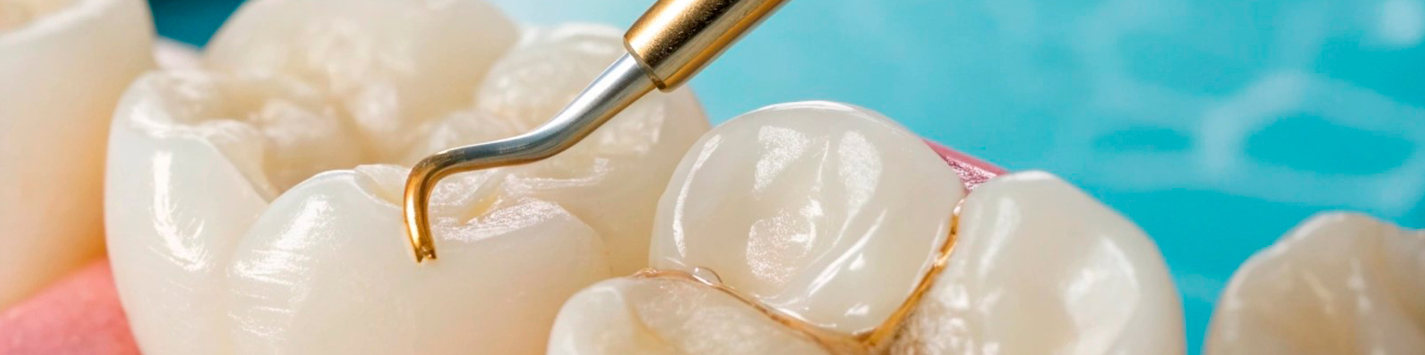
A dental filling is a restorative dentistry procedure that repairs a tooth damaged by decay or minor fractures. During the procedure, your dentist removes the decayed portion of the tooth and fills the cavity with materials such as composite resin, amalgam, or ceramic.
The purpose of a dental filling is to:
- Restore tooth structure and function.
- Prevent the spread of decay.
- Relieve pain caused by cavities or tooth sensitivity.
- Strengthen the tooth and maintain its natural shape.
Ignoring early signs of cavities may lead to the need for more advanced treatments like root canals or crowns, making fillings an essential preventive step.
Common Signs You May Need a Dental Filling
1. Tooth Sensitivity
If you experience discomfort when eating hot, cold, sweet, or acidic foods, it could indicate tooth decay. Sensitivity happens because enamel erosion exposes the inner dentin layer, which contains nerve endings. A dental filling can seal the exposed area and prevent sensitivity from worsening.
2. Toothache or Persistent Pain
A constant or recurring toothache is one of the most obvious red flags. While mild pain might come and go, untreated decay can deepen and lead to severe pain that interferes with daily life. If over-the-counter pain relievers only offer temporary relief, a filling may be necessary.
3. Visible Dark Spots or Holes
Take a look at your teeth in the mirror. Do you see small dark spots, pits, or holes? These are visible signs of cavities. Even tiny cavities need treatment, as bacteria can spread deeper into the tooth. A dentist can fill these areas before they cause serious complications.
4. Sharp Pain When Biting or Chewing
Pain or discomfort while chewing, especially when biting down, may suggest damage to your tooth enamel or an untreated cavity. A filling restores the surface of the tooth, allowing you to bite and chew without discomfort.
5. Rough or Chipped Tooth Surfaces
Sometimes cavities or enamel erosion create rough edges on the tooth. If your tongue often gets caught on a tooth, or if the tooth feels uneven, it may need a filling to restore smoothness and function.
6. Food Getting Stuck Between Teeth
If food consistently gets trapped in the same spot, it may mean there’s a cavity forming. Cavities create small crevices that easily trap debris, which can lead to bacterial growth, bad breath, and further decay if untreated.
7. Bad Breath or Unpleasant Taste
Persistent bad breath (halitosis) or a bad taste in your mouth can indicate decay or infection. Bacteria trapped in cavities can produce foul-smelling compounds. A dental filling eliminates the decay and restores freshness.
8. Damaged or Worn-Out Old Fillings
If you already have fillings, they don’t last forever. Over time, fillings can chip, wear down, or loosen. When this happens, bacteria may seep underneath, leading to new cavities. A dentist can replace or repair old fillings to keep your teeth protected.
What Causes the Need for Dental Fillings?
The most common cause of dental fillings is tooth decay due to plaque buildup. However, other reasons include:
- Poor oral hygiene – Inadequate brushing and flossing allow bacteria to thrive.
- High sugar diet – Sugary and acidic foods erode enamel.
- Teeth grinding (bruxism) – Constant grinding wears down enamel.
- Accidents or injuries – Small cracks or chips may need filling.
What Happens If You Ignore the Signs?
Delaying a dental filling can have serious consequences:
- The cavity may grow deeper, requiring a root canal treatment.
- The tooth may fracture, leading to the need for a dental crown.
- Infection may spread to the gums and surrounding teeth.
- Tooth loss may occur in severe cases.
Early intervention with a filling is always easier, less expensive, and less painful compared to advanced treatments.
Different Types of Dental Fillings
Depending on the location and severity of decay, your dentist may suggest:
- Composite Resin Fillings → Tooth-colored, ideal for front teeth.
- Amalgam Fillings → Strong and durable, often used for back teeth.
- Ceramic Fillings → Aesthetic and stain-resistant, but more costly.
- Gold Fillings → Highly durable but less common due to cost and visibility.
Preventing the Need for Fillings
While fillings are effective, prevention is always better. To reduce your risk of cavities:
- Brush twice daily with fluoride toothpaste.
- Floss daily to remove plaque between teeth.
- Limit sugary snacks and drinks.
- Visit your dentist for regular check-ups and cleanings.
- Use a mouthwash to strengthen enamel and fight bacteria.
Frequently Asked Questions (FAQs)
Common signs include tooth sensitivity, toothaches, dark spots, holes, or pain when chewing.
The procedure is usually painless due to local anesthesia, with only mild soreness afterward.
Most fillings last 5–15 years, depending on the material used and oral care habits.
No, cavities do not heal by themselves and require professional treatment.
Delaying treatment can lead to deeper decay, infection, or the need for a root canal or crown.
Composite fillings are popular for their natural look, while amalgam fillings are known for their durability.
Your teeth often give you early warnings when something is wrong, and recognizing the signs that you may need a dental filling can save you from pain, infections, and expensive treatments in the future. If you notice sensitivity, toothaches, dark spots, or any of the symptoms we’ve discussed, don’t ignore them. Seeking timely dental fillings in Houston, TX can help prevent further damage. A simple filling can restore your tooth’s strength, function, and appearance, allowing you to smile with confidence.
The sooner you address dental issues, the easier the treatment will be. So if you’re experiencing any of these symptoms, schedule a dental check-up today and take the first step toward protecting your oral health.