
Post-Root Canal Care: How to Properly Take Care of Your Tooth
A root canal can save your natural tooth and eliminate the pain caused by severe decay or infection, but the recovery process doesn’t end once you leave the dental chair. Proper post–root canal therapy care is crucial for healing, preventing reinfection, and ensuring the long-term success of the treatment. Many people believe the tooth is “fixed” right after the procedure, but without careful aftercare, complications such as sensitivity, swelling, or damage to the restoration can occur. In this guide, we’ll walk you through everything you need to know about caring for your tooth after a root canal, including what to eat, how to manage discomfort, and the steps you should take for lasting oral health.
Understanding the Root Canal Procedure
Before diving into the aftercare process, it’s important to understand what happens during a root canal.
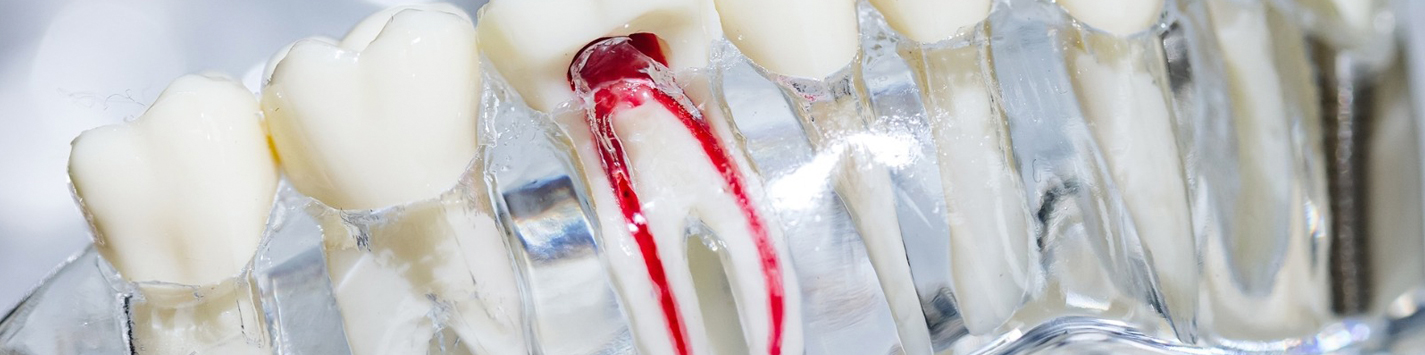
A root canal treatment involves:
- Removing the infected pulp from inside the tooth.
- Cleaning and disinfecting the root canals.
- Filling the canals with a biocompatible material.
- Sealing the tooth with a temporary or permanent restoration.
Most patients eventually receive a dental crown to protect the treated tooth and restore full function. Since the procedure removes nerves and blood vessels, the tooth becomes more fragile than a natural one, which makes proper aftercare even more essential.
Immediate Aftercare: First 24–48 Hours
The first two days after your root canal are the most sensitive. Here’s what you need to keep in mind:
1. Manage Pain and Swelling
- It’s normal to feel mild discomfort or soreness once the anesthesia wears off. Over-the-counter pain relievers like ibuprofen or acetaminophen are typically recommended.
- Apply a cold compress to the outside of your cheek for 10–15 minutes at a time to reduce swelling.
2. Be Gentle While Eating
- Avoid chewing on the treated tooth until your dentist gives the all-clear.
- Stick to soft foods like yogurt, smoothies, mashed potatoes, scrambled eggs, and soup.
- Stay away from hard, crunchy, or sticky foods that could damage the temporary filling.
3. Maintain Good Oral Hygiene
- Brush gently around the treated area with a soft-bristle toothbrush.
- Floss carefully, avoiding pressure on the temporary filling.
- Use an alcohol-free mouthwash to reduce bacteria.
Long-Term Post-Root Canal Care
1. Get a Permanent Crown or Restoration
- A root canal-treated tooth is more brittle and prone to fractures. Your dentist will usually recommend placing a crown to restore full strength.
- Delaying the crown can put your tooth at risk of cracking, which may require extraction.
2. Practice Excellent Oral Hygiene
- Brush twice a day with fluoride toothpaste.
- Floss daily to prevent plaque buildup.
- Consider using a water flosser for gentler cleaning around restorations.
3. Watch What You Eat
- Limit sugary foods and drinks, which feed harmful bacteria.
- Avoid chewing ice, pens, or hard candies that could chip the crown.
- Stick to a balanced diet rich in calcium and vitamins for stronger teeth.
4. Schedule Regular Dental Visits
- Visit your dentist every 6 months for cleanings and exams.
- Your dentist will monitor the treated tooth for any signs of reinfection or damage.
Common Issues After a Root Canal (and What to Do)
Even with the best care, some patients may experience concerns after treatment. Here’s what to look out for:
- Mild Sensitivity – Normal for a few days; manage with pain relievers.
- Swelling or Gum Tenderness – Should gradually decrease; if it worsens, call your dentist.
- Pain When Chewing – Could be due to high filling or bite misalignment; see your dentist.
- Tooth Discoloration – Treated teeth may darken over time; a crown can improve aesthetics
- Persistent Pain or Infection Signs – Severe swelling, pus, or fever may indicate reinfection and require immediate dental attention.
Do’s and Don’ts After a Root Canal
Do’s:
- Follow your dentist’s instructions carefully.
- Keep the area clean and avoid neglecting oral hygiene.
- Get the recommended permanent crown or filling.
- Use fluoride mouthwash or toothpaste to strengthen enamel.
- Don’t chew on hard foods with the treated tooth until fully restored.
- Don’t skip follow-up appointments.
- Don’t ignore pain that persists beyond a week.
- Don’t use the treated tooth as a “tool” to open bottles or packages.
Tips to Extend the Life of a Root Canal-Treated Tooth
- Wear a mouthguard if you grind your teeth at night.
- Consider a sports guard if you play contact sports.
- Stay consistent with dental hygiene practices.
- Address dental issues early before they affect your root canal tooth.
With proper care, most root canal-treated teeth last 10–15 years or even a lifetime.
Frequently Asked Questions (FAQs)
Most patients recover within a few days, but full healing can take up to a week.
Mild discomfort or sensitivity is normal for a few days and usually improves with pain medication.
You can resume normal eating once the numbness wears off, but avoid chewing on the treated tooth until it’s fully restored.
In most cases, yes. A crown protects the treated tooth and prevents fractures.
With proper care, a root canal-treated tooth can last 10–15 years or even a lifetime.
Yes, reinfection is possible if aftercare is neglected or the restoration is damaged.
A root canal doesn’t just save your tooth — it gives you a second chance at a healthy smile. But the success of Root Canal Treatment in Houston, TX, largely depends on how well you care for your tooth afterward. From managing discomfort in the first few days to protecting your tooth with a crown, practicing strong oral hygiene, and staying mindful of your diet, each step plays a role in preserving your dental health. By following these post-root canal care guidelines, you can ensure that your treated tooth remains strong, functional, and pain-free for many years to come.