
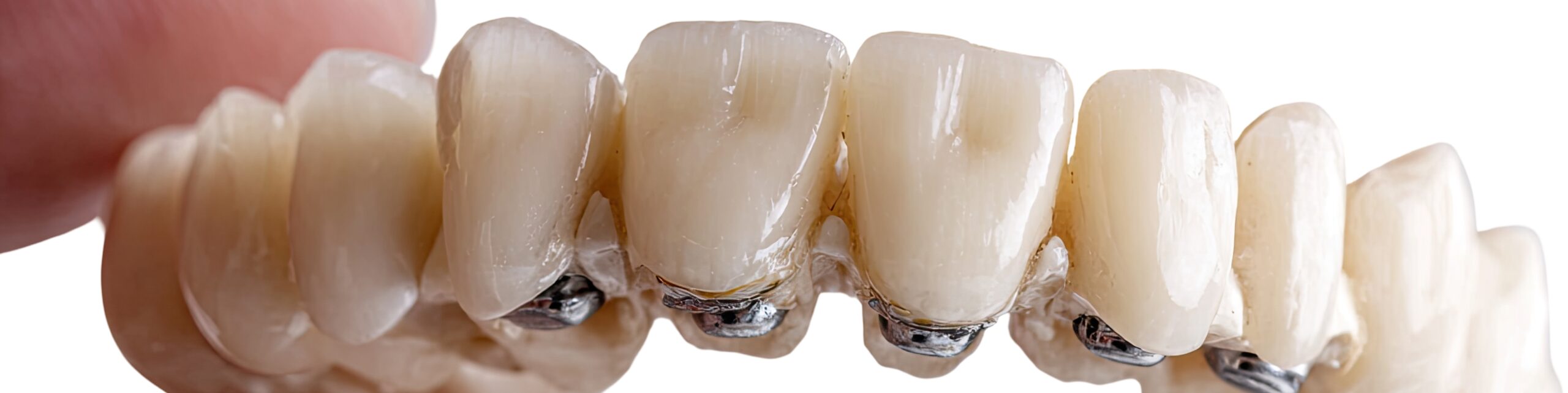
Stronger, Smarter, Better: How Advanced Dental Bridges Are Changing Tooth Replacement
Missing teeth can affect far more than your smile; they can impact how you eat, speak, and even how confident you feel in everyday interactions. Fortunately, modern dentistry has evolved significantly, offering solutions that are stronger, more natural-looking, and longer-lasting than ever. One such advancement is dental bridge treatment, which has transformed the way patients restore their smiles.
Whether you’re exploring options after tooth loss or seeking a reliable alternative to implants, understanding advanced dental bridges can help you make an informed decision with guidance from the Best Family Dentist.
What Are Dental Bridges? A Modern Overview
A dental bridge is a custom-made restoration used to replace one or more missing teeth. It literally “bridges” the gap left behind, anchoring artificial teeth (pontics) to adjacent natural teeth or implants.
Types of Dental Bridges:
Modern dental bridge treatment focuses not just on replacing missing teeth but restoring full function, comfort, and aesthetics.
The Evolution of Dental Bridges: From Traditional to Advanced
Dental bridges have come a long way from bulky, metal-based restorations. Today’s bridges are designed using advanced digital technology and high-quality materials.
Then vs. Now:
Traditional Bridges | Advanced Dental Bridges |
Metal-heavy structures | Tooth-colored, natural materials |
Limited durability | Long-lasting and highly durable |
Basic fit | Digitally designed precision fit |
Less aesthetic | Seamless, natural appearance |
Stronger Than Ever: Materials That Enhance Durability
One of the biggest advancements in dental bridge treatment is the use of modern materials that significantly improve strength and aesthetics.
Common Advanced Materials:
1. Zirconia
- Extremely strong and fracture-resistant
- Ideal for back teeth
- Natural tooth-like appearance
2. Porcelain-Fused-to-Metal (PFM)
- Combines strength with aesthetics
- Reliable and widely used
3. All-Ceramic Bridges
- Metal-free and highly aesthetic
- Best for front teeth
These materials ensure that modern bridges can withstand daily chewing forces while maintaining a natural look.
Dental Bridges vs Dental Implants: Which Is Right for You?
Choosing between dental bridges and implants depends on several factors, including your oral health, budget, and long-term goals.
Dental Bridges
Pros:
- Faster procedure (usually 2–3 visits)
- More affordable upfront
- Non-surgical option
Cons:
- Requires support from adjacent teeth
- May need replacement after 10–15 years
Dental Implants
Pros:
- Permanent and long-lasting
- Prevents bone loss
- Doesn’t affect surrounding teeth
Cons:
- Higher initial cost
- Requires surgery and healing time
Which Should You Choose?
If you’re looking for a quicker and cost-effective solution, dental bridge treatment may be ideal. However, for long-term durability and bone preservation, implants might be recommended.
A consultation with the best family dentist will help determine the best option based on your unique needs.
How to Care for Your Dental Bridge
Taking care of your dental bridge is essential to ensure its longevity and maintain oral health.
Daily Care Tips:
1. Maintain Proper Oral Hygiene
Brush twice daily and floss carefully around the bridge to prevent plaque buildup.
2. Use a Floss Threader
This helps clean the area underneath the bridge where food particles can accumulate.
3. Avoid Hard Foods
Limit chewing on ice, crunchy candies, or other tough items that can damage the bridge.
4. Regular Dental Checkups
Visit your dentist every 6 months for professional cleaning and examination.
5. Use Antibacterial Mouthwash
Helps reduce bacteria and maintain gum health.
With proper care, modern dental bridges can last well over a decade.
Why Advanced Dental Bridges Are a Game-Changer
Today’s dental bridges are not just about filling gaps; they’re about restoring confidence and improving quality of life.
Key Benefits:
- Natural appearance that blends seamlessly
- Improved chewing and speech
- Prevention of teeth shifting
- Quick and minimally invasive procedure
- Cost-effective alternative to implants
Patients who undergo dental treatment often report immediate improvements in both function and self-confidence.
Advanced dental bridges have revolutionized tooth replacement, offering patients a solution that is stronger, smarter, and more aesthetically pleasing than ever. Whether you’re dealing with a single missing tooth or multiple gaps, modern Dental Bridges Treatment in Houston, TX, provides a reliable and effective way to restore your smile.
FAQs About Dental Bridges
With proper care, dental bridges can last 10–15 years or even longer.
The procedure is generally painless, as it is performed under local anesthesia. Mild discomfort may occur afterward but subsides quickly.
The cost varies depending on the type of bridge and materials used. Your dentist can provide a detailed estimate during consultation.
Yes, after a short adjustment period, you can eat most foods comfortably.
Both have their advantages. Bridges are quicker and more affordable, while implants offer a more permanent solution.
Advanced dental bridges have revolutionized tooth replacement, offering patients a solution that is stronger, smarter, and more aesthetically pleasing than ever. Whether you’re dealing with a single missing tooth or multiple gaps, modern Dental Bridges Treatment provides a reliable and effective way to restore your smile.
Ready to Restore Your Smile?
If you’re considering dental bridges, don’t wait to take the next step toward a healthier, more confident smile.
Schedule your consultation with the best family dentist in Houston, TX, today and discover how advanced dental bridges can transform your smile!
Don’t ignore tooth pain or post-treatment discomfort. Get expert care and protect your smile today. Schedule your appointment with Unity Dental Care for safe, comfortable, and lasting root canal solutions.